

Contactless Payment Systems
Contactless payment systems have emerged as a convenient and secure way to transact. Whether you’re buying coffee or paying for a shopping spree, these systems streamline the payment process, making it quicker and easier than ever before. In this pogo 88 article, we’ll delve into the workings of contactless payments, their benefits, challenges, and what the future holds for this payment method.
What Are Contactless Payment Systems?
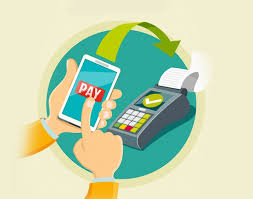
Contactless payment systems allow consumers to make purchases without physically swiping their card or inserting it into a terminal. Instead, they can simply tap or wave their card, smartphone, or wearable device near a compatible payment terminal. This technology relies on Near Field Communication (NFC) or Radio Frequency Identification (RFID) to enable secure transactions.
How Contactless Payments Work
When a user initiates a contactless payment, the following steps typically occur:
- Initiation: The consumer holds their contactless-enabled card or device near the payment terminal.
- Communication: NFC technology establishes a connection between the device and the terminal, allowing for data transfer.
- Authentication: The payment system verifies the transaction using encryption and authentication protocols.
- Completion: Once verified, the transaction is processed, and the user receives confirmation of the payment.
Benefits of Contactless Payment Systems
Contactless payment systems offer numerous advantages for both consumers and businesses:
1. Speed and Convenience
One of the most significant benefits is speed. Transactions can be completed in seconds, reducing wait times at checkout. This convenience is especially valuable in high-traffic locations like cafes, airports, and retail stores.
2. Enhanced Security
Contactless payments employ advanced security features, including encryption and tokenization, to protect sensitive information. As a result, the risk of fraud is minimized, making it a safer option than traditional magnetic stripe cards.
3. Hygiene and Safety
In light of the recent global health concerns, contactless payments promote hygiene by minimizing physical contact between customers and payment terminals. This aspect has encouraged more consumers to adopt contactless methods.
Challenges of Contactless Payment Systems
Despite their benefits, contactless payment systems are not without challenges:
1. Limitations on Transaction Amounts
Many contactless payment systems impose a limit on the transaction amount for tap-and-go payments. While this limit varies by region and provider, it may not suffice for larger purchases, necessitating additional authentication.
2. Not Universally Accepted
While contactless payments are gaining popularity, not all merchants accept them. Consumers may encounter situations where they have to revert to traditional payment methods.
3. Technical Issues
Technical malfunctions can disrupt transactions, leading to frustration for both consumers and merchants. Issues such as low battery life in devices or terminal malfunctions can affect payment processing.
The Future of Contactless Payments
The future of contactless payment systems appears promising, with trends indicating continued growth and adoption:
1. Increased Adoption of Mobile Wallets
As smartphones become increasingly integral to daily life, mobile wallets are expected to gain traction. These digital wallets allow users to store payment information securely and make transactions seamlessly.
2. Integration with IoT Devices
The integration of contactless payments with Internet of Things (IoT) devices, such as smart home appliances and wearables, could further simplify the payment process, creating new opportunities for convenience.
3. Expansion in Emerging Markets
Emerging markets are rapidly adopting contactless technology, driven by the need for efficient and secure payment solutions. This expansion is likely to enhance financial inclusion and stimulate economic growth.
Frequently Asked Questions (FAQs)
1. Are contactless payments safe?
Yes, contactless payments are generally considered safe due to encryption and tokenization methods that protect sensitive information.
2. How do I know if my card is contactless-enabled?
Look for the contactless symbol—a series of curved lines—on your card. If it has this symbol, it supports contactless payments.
3. Can I use contactless payments internationally?
Many countries support contactless payments, but acceptance may vary by merchant. Always check with your card issuer for international usage policies.
4. What should I do if my contactless card is lost or stolen?
Immediately report the loss to your card issuer to prevent unauthorized transactions. They will assist you in freezing your account and issuing a replacement card.
5. Can I disable contactless payments on my card?
Yes, most banks allow you to disable contactless payments via their mobile app or customer service, providing greater control over your payment methods.
